
Spring into Your Best Writing!
Spring has sprung, and with it comes the perfect excuse to hit refresh on those writing goals. We all know how quickly summer can sneak up, and with it, a whole new level of chaos. But don’t worry—we’ve got this!
As a professional editor and writer, I know how crucial it is to stay on top of your writing projects. Whether you’re polishing your manuscript, refining an article, or simply need an extra set of eyes, I’d love to help!
Check out my services or feel free to reach out with any questions you have—I’m here to help you start the year off strong!
I’ve been making lots of lists this year.
One key to writing success is knowing what you’re great at and where you might need a little extra help. To get started, I recommend taking the “Are You a Plotter or Pantser?” quiz. It’s a fun way to understand what will keep you motivated—and what might trip you up—as you move forward with your writing.
Once you’ve figured out whether you’re more of a planner or someone who flies by the seat of your pants, check out these helpful tips to lock in your writing habits before spring slips away and the chaos of summer takes over.
You’re a Plotter
A plotter is someone who plans out their writing in detail before diving in, carefully mapping out every chapter, character arc, and twist.
Actionable Steps for Plotters:
- Create a detailed outline: Take time to break down your story into key scenes or chapters. This roadmap will help you stay focused and avoid writer’s block.
- Set achievable milestones: Instead of just aiming to finish a manuscript, set mini-goals (like finishing a chapter or a scene). Celebrate small victories to stay motivated.
- Schedule regular writing sessions: Block off dedicated writing time each week. The more consistent you are, the easier it is to maintain momentum.
Pitfalls to Watch Out For:
- Over-planning: It’s tempting to plan every detail, but don’t get so bogged down in outlining that you never get to the writing itself. Allow room for creativity and spontaneity. Like any good planner, be prepared to reassess and evaluate regulary to make sure you’re on track! Keeping a clear list of goals and outline for your work in progress (WIP) will help with that.
- Stagnating when things don’t go according to plan: Not everything will follow your outline perfectly. If you get stuck, be flexible and adjust—sometimes the best writing comes from unexpected twists. Characters can have a mind of their own! If you’re stuck, circle back to your plan. Be okay making changes, and remember: “It’s about the journey, not the destination.”
You’re a Pantser
A pantser is a writer who jumps straight into the story with little to no planning, trusting their creativity to guide them through the process.
Actionable Steps for Pantsers:
- Set loose goals: Without rigid outlines, give yourself flexible targets like “write 1,000 words today” or “finish a scene this week.” This keeps you moving forward without stifling creativity.
- Use prompts when stuck: If you’re feeling uninspired, turn to writing prompts to help get the words flowing and spark new ideas.
- Write without editing: Resist the urge to perfect your work as you go. Focus on getting the words down, and save the editing for later.
Pitfalls to Watch Out For:
- Running out of direction: Without a plan, it’s easy to feel lost halfway through a story. Make sure to revisit your progress and give yourself an idea of where the story is heading. Maybe take a little time to plan “A LITTLE” – while you’d jump in the car for a wild impromptu road trip. You’d also likely have a destination in mind.
- Inconsistent pacing: Pantsers can sometimes rush through key moments or drag on scenes without structure. Keep an eye on pacing and find a rhythm that works. You might find it helpful to get feedback from a Development Editor to make sure you’re headed in the right direction. Also, there are lots of editing softwares (like AutoCrit and ProWriting Aid) that can help with pacing, repetition, and consistency.
What if I’m a Little of Both?
If you find yourself somewhere in the middle, you might combine elements of both plotting and pantsing. You may have a rough outline, but leave room for discovery and improvisation as you go.
Actionable Steps for Hybrid Writers:
- Draft a flexible outline: Create a rough roadmap for your story, but leave space for changes and new ideas to pop up as you write.
- Create a daily writing ritual: Whether you’re plotting or pantsing, a solid daily habit is key. Make writing a part of your routine, like coffee in the morning.
- Review progress regularly: Every few weeks, review where you are in your story and decide if you need more structure or room for spontaneity.
Pitfalls to Watch Out For:
- Balancing too many approaches: Don’t fall into the trap of trying to do it all. Stick to what works for you, even if it’s a mix of methods, but don’t overload yourself with conflicting strategies. RESIST OVERTHINKING (says the pot to the kettle!)
- Being indecisive: Sometimes hybrid writers get stuck in a limbo of plotting and pantsing. Stay confident in your choices—both approaches can work, but indecision can slow you down.
Happy Writing!

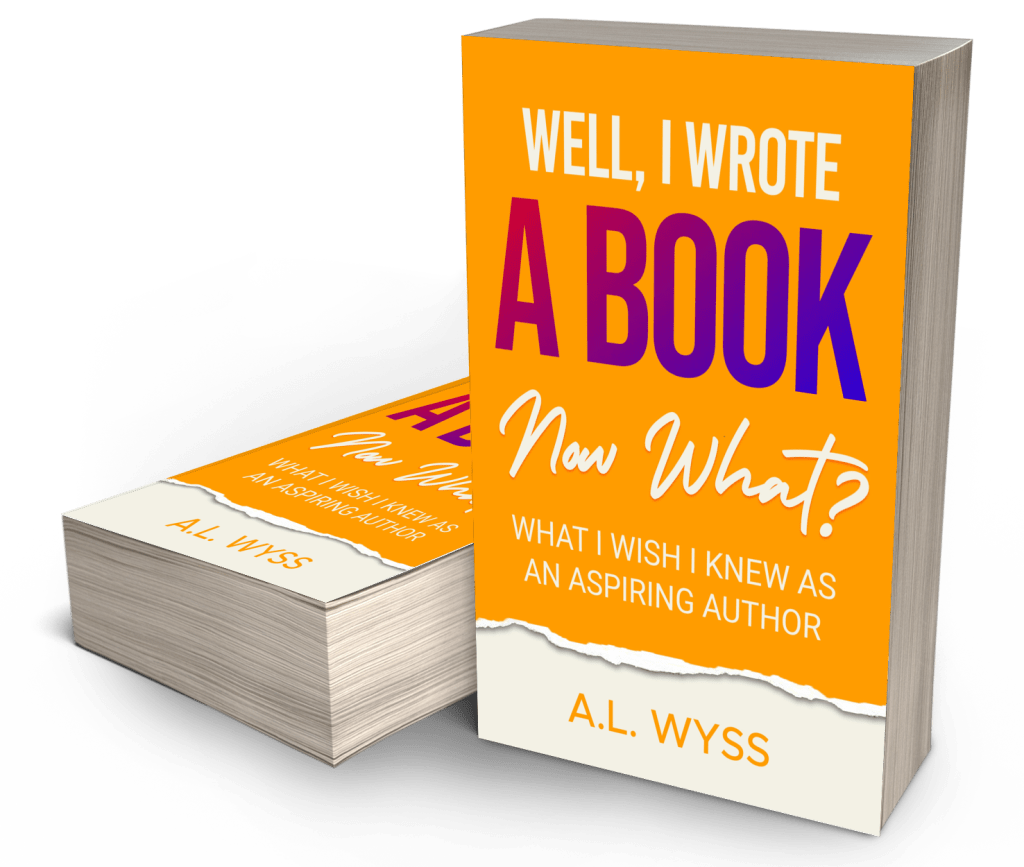
P.S. – There’s more helpful information about plotting and planning in Well, I Wrote a Book, Now What? Check it out on Amazon HERE.



 The Write Wyss
Leave a comment